Complete medical tourism guide
US citizens do not need a visa for stays of up to 90 days. This can be extended for another 90 days, for a total of 180 days per calendar year. A special medical visa is not typically required for a hair transplant trip. There is no cost for the initial 90-day entry.
The main international airports are El Dorado International Airport (BOG) in Bogotá and José María Córdova International Airport (MDE) in Medellín. Recommended airlines include Avianca, LATAM Airlines, Copa Airlines, American Airlines, United Airlines, JetBlue, and Spirit Airlines. Direct flights are available from many US cities, particularly from Florida and the Northeast.
Approximate round-trip flight costs from major US cities are as follows:
New York (JFK/EWR) to Bogotá (BOG):
Los Angeles (LAX) to Bogotá (BOG):
Miami (MIA) to Bogotá (BOG):
Chicago (ORD) to Bogotá (BOG):
In Bogotá, the best neighborhoods to stay are Chapinero, Usaquén, and Chicó. These areas are known for their safety and proximity to clinics. In Medellín, the most recommended neighborhoods are El Poblado and Laureles, which are also safe and convenient for medical tourists.
Here are some recommended hotels near top clinics:
Bogotá (Chapinero/Chicó):
Medellín (El Poblado):
Uber, Didi, and Cabify are widely available and are a safe and affordable way to get around. Taxis are also common, but it's best to use a ride-hailing app or have your hotel call one for you. Medellín has a modern metro system, and Bogotá has the TransMilenio bus system. Many clinics offer airport transfers as part of their packages.
The local currency is the Colombian Peso (COP). The exchange rate is approximately 3,800-4,000 COP to 1 USD. It's best to exchange a small amount of cash at the airport and then withdraw from ATMs as needed. Credit cards are widely accepted in major cities.
In restaurants, a 10% voluntary tip is often included in the bill. Tipping taxi drivers is not expected, but you can round up the fare. It is customary to tip hotel staff, such as bellhops and housekeepers.
While English is spoken in tourist areas, it is not widely spoken by the general population. Most reputable clinics have English-speaking staff. It is recommended to learn some basic Spanish phrases. Useful phrases include: 'Hola' (Hello), 'Gracias' (Thank you), and '¿Habla inglés?' (Do you speak English?).
After a hair transplant, it is best to eat a balanced diet of lean proteins, fruits, and vegetables. Avoid spicy and processed foods. Western food options are widely available in major cities. Drink bottled water and be cautious with street food.
Be aware of your surroundings and avoid displaying valuables. Use reputable transportation and avoid certain areas at night. Be cautious of common scams, such as the 'fake police' and 'bird poop' scams. The national emergency number is 123.
In Bogotá, top hospitals include Fundación Santa Fe de Bogotá (Usaquén) and Clínica del Country (Chapinero). In Medellín, leading hospitals are Hospital Pablo Tobón Uribe and Clínica Medellín (El Poblado). These hospitals have international patient departments and English-speaking staff.
Travel insurance is highly recommended for medical tourism. Your policy should cover medical emergencies, medical evacuation, and trip interruption. Reputable providers include Allianz, World Nomads, and SafetyWing.
The best time to visit Colombia is during the dry seasons, from December to March and July to August. The shoulder seasons (April-May and September-November) have fewer crowds but more rain. The peak tourist season is from December to January.
Day 1: Arrive and have your initial consultation with the surgeon. Day 2: Undergo the hair transplant procedure and rest at your hotel. Day 3: Recover and follow post-operative instructions. Light activities are possible. Day 4: Have a follow-up appointment and depart for home. Day 5 (Optional): Light sightseeing or shopping.
SIM cards from Claro, Movistar, and Tigo are readily available. WiFi is widely available in hotels, restaurants, and public areas. Recommended apps include Uber, Didi, Rappi, Google Translate, and WhatsApp.

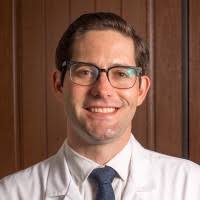
Board-Certified Ophthalmologist, Medical Reviewer
Dr. Igor I. Bussel is a board-certified ophthalmologist and fellowship-trained surgeon affiliated with the University of California, Irvine (UCI), the Gavin Herbert Eye Institute, and the UCI School of Medicine.
Last Updated: February 2026
Everything You Need to Know
Famous hair restoration transformations revealed.
FUE, DHI, PRP, stem cell & more compared.
Answers to your top hair restoration questions.
Classify your hair loss stage accurately.
Board-certified specialists ranked by outcomes.
Planning your trip for affordable treatment abroad.
Payment plans, loans & insurance coverage.
Industry data, success rates & market trends.
Post-op timelines, tips & what to expect.
Country-by-country legal frameworks & standards.
Side-by-side technique & clinic comparisons.
Complete library of hair restoration guides.