Find your perfect clinic β€” Search by procedure, location, or budget
Medical Tourism / Thailand
πŸ‡ΉπŸ‡­

Hair Transplant in Thailand

Complete medical tourism guide

πŸ›‚ Visa Requirements

Visa Requirements for US Citizens

Visa Exemption: US citizens are eligible for a visa exemption, allowing them to stay in Thailand for up to 60 days for tourism purposes without a visa. Pre-arrival online registration is required.

Tourist Visa (Medical Treatment): For those who prefer a visa that explicitly covers medical travel, a Tourist Visa (TR) for medical treatment is available.

  • Stay Duration: Up to 60 days, with a possible 30-day extension for a total of 90 days.
  • Cost: 40 USD for a single-entry visa.
  • Application: The application is done online through the official Thai e-Visa website.

✈️ Airports & Airlines

Best Airports and Airlines

Main International Airport: Suvarnabhumi Airport (BKK) is the main international gateway to Bangkok and where most long-haul flights from the United States arrive.

Airlines and Flight Availability: There are no direct, non-stop flights from the United States to Bangkok. All routes will have at least one stop. Some of the best-rated airlines for this route include:

  • Middle Eastern Carriers: Emirates, Qatar Airways, and Etihad Airways are known for their excellent service.
  • Asian Carriers: Cathay Pacific, Singapore Airlines, EVA Air, and Korean Air are also highly recommended.

Average Flight Costs

Approximate round-trip flight costs from major US cities to Bangkok (BKK):

  • New York (NYC):
    • Economy: $800 - $1,200
    • Business: $3,500 - $6,000+
  • Los Angeles (LAX):
    • Economy: $700 - $1,100
    • Business: $3,000 - $5,500+
  • Miami (MIA):
    • Economy: $900 - $1,400
    • Business: $4,000 - $7,000+
  • Chicago (ORD):
    • Economy: $850 - $1,300
    • Business: $3,800 - $6,500+

🏨 Where to Stay

Best Neighborhoods to Stay

The most convenient neighborhoods for medical tourists are along the Sukhumvit BTS Skytrain line, as this is where many of the top clinics are located.

  • Lower Sukhumvit (Nana, Asoke): A bustling area with excellent transport links and a wide range of hotels and restaurants.
  • Mid-Sukhumvit (Phrom Phong, Thong Lo, Ekkamai): More upscale and residential, with trendy restaurants and boutiques. Many top clinics are in this area.

Recommended Hotels Near Top Clinics

  • The Landmark Bangkok: (Luxury) Near Nana BTS. Approx. $150-250/night.
  • Adelphi Suites Bangkok: (Mid-Range) Near Nana BTS. Approx. $80-120/night.
  • Ibis Bangkok Sukhumvit 4: (Budget) Near Nana BTS. Approx. $40-60/night.
  • Bangkok Marriott Hotel Sukhumvit: (Luxury) In Thong Lo, with direct BTS access. Approx. $180-300/night.
  • Grande Centre Point Sukhumvit 55: (Mid-Range) In Thong Lo. Approx. $100-150/night.

πŸš— Local Transportation

Local Transportation

  • Ride-Hailing: Uber and Lyft are not available. Use Grab or Bolt instead.
  • Taxis: Plentiful and affordable. A taxi from the airport to Sukhumvit costs around 350-500 THB ($10-15). Always use the meter.
  • Public Transit: The BTS Skytrain and MRT Subway are modern, efficient, and easy to use for navigating the city.
  • Clinic Transfers: Many clinics offer airport transfer services for their patients.

πŸ’± Currency & Tipping

Currency and Exchange Rate

  • Currency: Thai Baht (THB).
  • Exchange Rate: Approximately 31-33 THB to 1 USD (as of early 2026).
  • Exchanging Money: For the best rates, use currency exchange booths like Superrich Thailand in the city.
  • ATMs: Widely available, but most charge a 220 THB fee per withdrawal for foreign cards.
  • Credit Cards: Accepted in hotels, large restaurants, and department stores. Cash is needed for smaller vendors.

Tipping Customs

Tipping is not customary in Thailand, but it is appreciated for good service.

  • Restaurants: A 10% service charge is often included in upscale restaurants. If not, a 10% tip is a nice gesture. In local eateries, rounding up the bill is sufficient.
  • Hotels: Tip bellboys and housekeeping 20-50 THB.
  • Taxis: Round up the fare to the nearest 5 or 10 Baht.

πŸ—£οΈ Language

Language Barriers

  • English Proficiency: English is widely spoken in tourist areas and at major medical facilities. You will have no problem communicating at your clinic.
  • Translators: International hospitals have translators available. Private medical interpretation services can also be hired.
  • Useful Thai Phrases:
    • Hello/Goodbye: Sawasdee (krub/ka)
    • Thank you: Khob khun (krub/ka)
    • Yes: Chai
    • No: Mai chai

🍽️ Food & Dietary

Food and Dietary Considerations

  • Post-Op Diet: Focus on a balanced diet of fruits, vegetables, lean proteins, and whole grains. Avoid spicy foods, alcohol, and smoking.
  • Food in Bangkok: A wide variety of Western food is available, especially in the Sukhumvit area.
  • Food Safety: Stick to bottled water. Be cautious with street food; choose vendors that are busy and look clean.

πŸ›‘οΈ Safety Tips

Safety Tips

  • Be aware of your surroundings, especially in crowded areas.
  • Be cautious of scams, such as the infamous "gem scam" or "temple is closed" scam.
  • Only use official, metered taxis or reputable ride-hailing apps.
  • Keep your valuables secure.
  • Drink responsibly.
  • Emergency Numbers:
    • Tourist Police: 1155
    • Ambulance and Rescue: 1554
    • General Emergency: 191

πŸ₯ Emergency Medical

Emergency Medical Facilities

Two of the top internationally accredited hospitals in Bangkok, both located in the Sukhumvit area, are:

  • Bumrungrad International Hospital: Located on Sukhumvit Soi 3, it has a 24-hour emergency center and is very popular with medical tourists. Staff are fluent in English.
  • Samitivej Sukhumvit Hospital: Located on Sukhumvit Soi 49, this hospital also has a 24-hour emergency room and excellent English-speaking staff.

πŸ“‹ Travel Insurance

Travel Insurance

  • Recommended: It is highly recommended to have travel insurance that includes medical coverage for your trip.
  • Coverage: Look for a policy that covers medical emergencies, trip cancellation, and medical evacuation. A minimum of $50,000 in emergency medical coverage is recommended.
  • Providers: Several companies specialize in travel insurance for medical tourism. It is wise to compare policies from different providers.

πŸ“… Best Time to Visit

Best Time of Year to Visit

The best time to visit Bangkok for pleasant weather is during the cool, dry season from November to March. The temperatures are more moderate, and there is less humidity. The hot season is from April to June, and the rainy season is from July to October.

🧳 Packing List

What to Pack

  • Button-down or zip-up shirts (to avoid pulling clothing over your head)
  • Comfortable, loose-fitting pants
  • A neck pillow for the flight and for sleeping upright after the procedure
  • Any prescribed medications
  • Sunscreen and a hat for sun protection (to be worn carefully as per your clinic's instructions)
  • A portable charger/power bank for your electronic devices

πŸ“ Sample Itinerary

Typical 4-5 Day Itinerary

  • Day 1: Arrival and Consultation
    • Arrive at Suvarnabhumi Airport (BKK) and transfer to your hotel.
    • Attend your pre-operative consultation with the hair transplant surgeon.
  • Day 2: Procedure Day
    • Have a light breakfast.
    • Undergo the hair transplant procedure.
    • Rest at your hotel.
  • Day 3: Recovery
    • Follow your clinic's post-operative care instructions.
    • Rest and relax at your hotel.
  • Day 4: Follow-up and Departure
    • Attend your post-operative follow-up appointment.
    • Depending on your flight schedule, you may depart this day or the next.
  • Day 5: Departure
    • Depart from Bangkok.

πŸ“± Communication

Communication

  • SIM Cards: You can easily purchase a tourist SIM card at the airport upon arrival. Major providers like AIS, True, and DTAC offer tourist packages with data and calls.
  • WiFi: WiFi is widely available in hotels, cafes, and shopping malls.
  • Recommended Apps:
    • Grab or Bolt for ride-hailing.
    • Google Maps for navigation.
    • Google Translate for any language barriers.
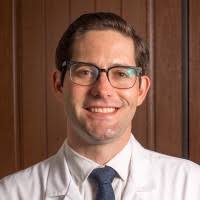
Dr. Igor I. Bussel, MD
βœ“ Medically Reviewed

Dr. Igor I. Bussel, MD

Board-Certified Ophthalmologist, Medical Reviewer

Dr. Igor I. Bussel is a board-certified ophthalmologist and fellowship-trained surgeon affiliated with the University of California, Irvine (UCI), the Gavin Herbert Eye Institute, and the UCI School of Medicine.

Last Updated: February 2026

βœ“ Medically ReviewedπŸ“Š Evidence-BasedπŸŽ“ Board-Certified

US Procedures

International

Analysis

Corporate

Research & Resources

Everything You Need to Know

⭐

Celebrity Transplants

Famous hair restoration transformations revealed.

πŸ’‰

Treatment Options

FUE, DHI, PRP, stem cell & more compared.

❓

FAQ

Answers to your top hair restoration questions.

πŸ“Š

Norwood Scale

Classify your hair loss stage accurately.

πŸ‘¨β€βš•οΈ

Top Surgeons

Board-certified specialists ranked by outcomes.

✈️

Medical Tourism

Planning your trip for affordable treatment abroad.

πŸ’°

Financing Options

Payment plans, loans & insurance coverage.

πŸ“ˆ

Statistics

Industry data, success rates & market trends.

🩹

Recovery Guides

Post-op timelines, tips & what to expect.

βš–οΈ

Regulations

Country-by-country legal frameworks & standards.

⚑

Compare Procedures

Side-by-side technique & clinic comparisons.

πŸ“š

All Guides

Complete library of hair restoration guides.