Find your perfect clinic β€” Search by procedure, location, or budget
Medical Tourism / United Kingdom
πŸ‡¬πŸ‡§

Hair Transplant in United Kingdom

Complete medical tourism guide

πŸ›‚ Visa Requirements

US citizens can visit the UK for up to 6 months without a visa for tourism and most private medical treatments. A Standard Visitor visa is required for stays longer than 6 months. There is no specific 'medical visa,' but you can visit for private medical treatment as a Standard Visitor. An Electronic Travel Authorisation (ETA) may be required for short stays in the future, but as of early 2026, US citizens do not need one for visits up to 6 months. The cost for a Standard Visitor visa is approximately Β£127.

✈️ Airports & Airlines

Main International Airports:

  • London Heathrow (LHR): The largest and best-connected airport, offering the most direct flights from the US.
  • London Gatwick (LGW): Another major airport with good connectivity.

Best Airlines for this Route:

  • British Airways
  • American Airlines
  • Delta Air Lines
  • United Airlines
  • JetBlue Airways

Direct flights are available from most major US cities.

Approximate round-trip flight costs to London (LHR or LGW):

  • From NYC:
    • Economy: $400 - $700
    • Business: $3,000 - $6,000
  • From LA:
    • Economy: $500 - $900
    • Business: $4,000 - $8,000
  • From Miami:
    • Economy: $500 - $800
    • Business: $3,500 - $7,000
  • From Chicago:
    • Economy: $500 - $800
    • Business: $3,500 - $7,000

🏨 Where to Stay

  • Marylebone: Home to Harley Street, the famous medical district. It's a safe, upscale, and convenient area with many amenities.

  • Mayfair: An affluent area adjacent to Marylebone, offering luxury hotels and a quiet environment for recovery.

  • Kensington: A safe and beautiful neighborhood with good access to clinics and plenty of green spaces.

  • Regent's Park: Close to Harley Street, offering a peaceful environment with access to the park for gentle walks during recovery.

  • The Marylebone Hotel: (Approximately $400-$600/night) - Located in the heart of Marylebone, very close to Harley Street.

  • The Langham, London: (Approximately $700-$1000+/night) - A luxury hotel at the top of Regent Street, a short walk from Harley Street.

  • Holiday Inn London - Regent's Park: (Approximately $200-$350/night) - A more affordable option, still within walking distance of the medical district.

  • The Welbeck Hotel: (Approximately $250-$400/night) - A boutique hotel on Welbeck Street, very close to Wimpole and Harley Streets.

  • The BoTree: (Approximately $600-$900/night) - A new luxury hotel at the intersection of Marylebone and Mayfair.

πŸš— Local Transportation

  • Uber/Lyft: Both are widely available in London.
  • Taxis: Black cabs are iconic and readily available. A taxi from Heathrow to central London can cost between Β£60-Β£120.
  • Metro/Subway (The Tube): The London Underground is extensive and efficient, but may be challenging for patients immediately after surgery due to stairs and crowds. Many stations are not fully accessible.
  • Clinic Airport Transfers: Some high-end clinics may offer airport transfers as part of their packages. This should be confirmed with the chosen clinic.

πŸ’± Currency & Tipping

  • Local Currency: Pound Sterling (Β£, GBP)

  • Exchange Rate: Approximately 1 GBP = 1.25 - 1.35 USD (as of early 2026, but this fluctuates).

  • Exchanging Money: It's best to use ATMs for cash withdrawal to get a good exchange rate. Avoid currency exchange counters at the airport. Marks & Spencer branches often have competitive rates.

  • ATM Availability: ATMs are widespread throughout London.

  • Credit Card Acceptance: Visa and Mastercard are almost universally accepted. American Express is accepted in many places, but not all. Contactless payments are very common.

  • Restaurants: A service charge of 10-15% is often added to the bill. If not, a tip of 10-15% is customary for good service.

  • Taxis: Rounding up the fare to the nearest pound or tipping 10% is common for black cabs and pre-booked cars.

  • Hotels: Tipping porters Β£1-Β£2 per bag is appreciated. Leaving a tip for housekeeping is at your discretion.

πŸ—£οΈ Language

  • English: English is the official language and is spoken everywhere. You will have no language barriers.
  • Clinic Staff: All clinic staff will be fluent in English.
  • Translators: Not necessary for English-speaking patients.

🍽️ Food & Dietary

  • Recovery Foods: Focus on soft, easy-to-chew foods initially. Stay hydrated. Many clinics provide specific dietary recommendations.
  • Western Food: A vast array of Western food options is available, from fast food to fine dining.
  • Food Safety: Food safety standards are very high in the UK.
  • Dietary Restrictions: Restaurants are generally very accommodating of dietary restrictions (vegetarian, vegan, gluten-free, etc.).

πŸ›‘οΈ Safety Tips

  • London is generally a safe city, but be aware of your surroundings, especially in crowded tourist areas.
  • Keep valuables secure to avoid pickpocketing.
  • Use licensed taxis (black cabs) or reputable ride-hailing apps.
  • Be cautious of scams, such as people offering unsolicited help or trying to distract you.
  • Emergency Number: 999 for police, fire, and ambulance.

πŸ₯ Emergency Medical

  • University College Hospital (UCH): Located near the Harley Street area, with a major Emergency Department. Staff are English-speaking.
  • St Mary's Hospital: A major acute hospital in Paddington, not far from Marylebone, with a 24/7 Emergency Department. Staff are English-speaking.

πŸ“‹ Travel Insurance

  • Recommended: Highly recommended for any international travel, especially for medical purposes.
  • Coverage: Ensure the policy covers medical complications arising from the procedure, as well as trip cancellation and interruption.
  • Providers: Look for providers that offer specific medical tourism insurance. Some well-regarded names include World Nomads, SafetyWing, and battleface.

πŸ“… Best Time to Visit

  • Spring (March-May): Pleasant weather, but can be rainy. Fewer tourists than in summer.
  • Summer (June-August): Warmest weather, but also the peak tourist season with higher prices and crowds.
  • Autumn (September-November): Mild weather and beautiful autumn colors. A good time to visit as crowds thin out.
  • Winter (December-February): Cold and damp, with shorter days. Fewer tourists and potentially lower flight and hotel prices (outside of the Christmas period).

For a hair transplant, any time of year is suitable as the recovery is mostly indoors. Off-peak seasons (autumn and winter) may offer better value.

🧳 Packing List

  • Button-down or zip-up shirts (to avoid pulling over the head)
  • A comfortable neck pillow for sleeping upright
  • Any prescribed medications
  • A wide-brimmed hat or umbrella for sun/rain protection (to be used carefully as instructed by the clinic)
  • Comfortable, loose-fitting clothing
  • A portable charger/power bank
  • UK power adapter (Type G)

πŸ“ Sample Itinerary

  • Day 1: Arrival & Settling In: Arrive at LHR or LGW, take a pre-booked car or taxi to your hotel. Rest and acclimate.
  • Day 2: Consultation & Procedure: Morning consultation with the surgeon. The hair transplant procedure takes place in the afternoon (can last 4-8 hours).
  • Day 3: Recovery: Rest at the hotel. Follow post-op instructions carefully. Gentle, short walks may be possible.
  • Day 4: Post-Op Check-up & Gentle Exploration: Return to the clinic for a check-up and hair wash. If feeling well, you could do some light, non-strenuous sightseeing.
  • Day 5: Departure: Travel back to the airport for your flight home.

πŸ“± Communication

  • SIM Cards: You can buy a pre-paid SIM card at the airport or from mobile phone shops (e.g., EE, Vodafone, O2, Three). A tourist SIM with data can cost around Β£20-Β£30.
  • WiFi: WiFi is widely available in hotels, cafes, and public areas.
  • Recommended Apps: Citymapper for navigation, Uber/FREE NOW for ride-hailing, and the official TFL Go app for public transport.
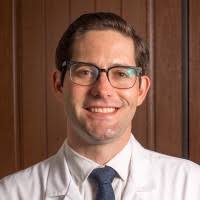
Dr. Igor I. Bussel, MD
βœ“ Medically Reviewed

Dr. Igor I. Bussel, MD

Board-Certified Ophthalmologist, Medical Reviewer

Dr. Igor I. Bussel is a board-certified ophthalmologist and fellowship-trained surgeon affiliated with the University of California, Irvine (UCI), the Gavin Herbert Eye Institute, and the UCI School of Medicine.

Last Updated: February 2026

βœ“ Medically ReviewedπŸ“Š Evidence-BasedπŸŽ“ Board-Certified

US Procedures

International

Analysis

Corporate

Research & Resources

Everything You Need to Know

⭐

Celebrity Transplants

Famous hair restoration transformations revealed.

πŸ’‰

Treatment Options

FUE, DHI, PRP, stem cell & more compared.

❓

FAQ

Answers to your top hair restoration questions.

πŸ“Š

Norwood Scale

Classify your hair loss stage accurately.

πŸ‘¨β€βš•οΈ

Top Surgeons

Board-certified specialists ranked by outcomes.

✈️

Medical Tourism

Planning your trip for affordable treatment abroad.

πŸ’°

Financing Options

Payment plans, loans & insurance coverage.

πŸ“ˆ

Statistics

Industry data, success rates & market trends.

🩹

Recovery Guides

Post-op timelines, tips & what to expect.

βš–οΈ

Regulations

Country-by-country legal frameworks & standards.

⚑

Compare Procedures

Side-by-side technique & clinic comparisons.

πŸ“š

All Guides

Complete library of hair restoration guides.