Hair Systems & Toupees
Modern hair systems — also called hairpieces, toupees, or hair replacement systems — are custom-made prosthetic hair devices that attach to the scalp to provide immediate, full coverage of balding or thinning areas. Today's hair systems are dramatically more sophisticated than the conspicuous toupees of decades past, with advanced materials, construction techniques, and attachment methods producing results that can be virtually undetectable.
Hair systems have undergone a renaissance in recent years, driven by social media content creators who openly document their transformation and daily maintenance routines. This visibility has reduced stigma and introduced the option to a new generation of men and women who might previously have dismissed 'wigs' as outdated or obvious.
Available in various base materials (lace, monofilament, silicone, mesh), hair types (human or synthetic), and attachment methods (adhesive, clips, or semi-permanent bonding), modern hair systems can be customized to match any hair color, texture, density, and style. They represent the only non-surgical option that provides instant, complete coverage regardless of the extent of hair loss.

Dr. Igor I. Bussel, MD
Board-Certified Ophthalmologist, Medical Reviewer
Dr. Igor I. Bussel is a board-certified ophthalmologist and fellowship-trained surgeon affiliated with the University of California, Irvine (UCI), the Gavin Herbert Eye Institute, and the UCI School of Medicine.
Last Updated: February 2026
📖 In-Depth Overview
Hair replacement systems have existed in various forms for millennia — ancient Egyptians used beeswax-based wigs, and elaborate hairpieces were fashionable in European courts for centuries. The modern hair system industry began in the mid-20th century, evolving from thick, obvious hairpieces to today's ultra-thin, virtually invisible units.
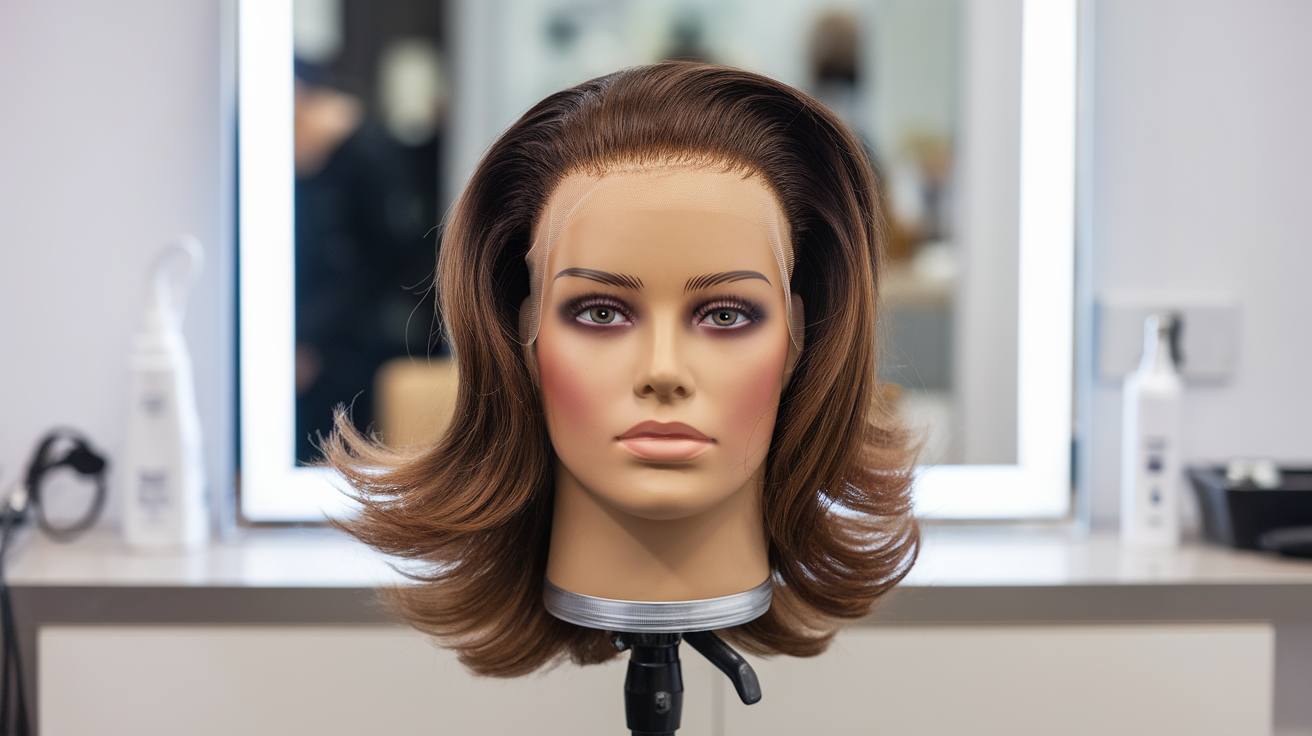
The foundation of any hair system is its base — the material that sits against the scalp and holds the hair. Lace bases (particularly Swiss and French lace) offer the most natural-looking hairline, as the sheer material becomes nearly invisible against the skin. Monofilament bases provide a natural scalp appearance when the hair is parted, as individual hairs are tied through a fine mesh that mimics the look of hair growing from the scalp. Poly (polyurethane/silicone) bases offer the most secure adhesion and are easiest to clean, though they can be less breathable.
Human hair systems use either Indian (Remy), Chinese, or European hair, with European hair being the finest and most expensive. Remy hair — where cuticles are aligned in the same direction — is preferred for its natural movement and reduced tangling. Synthetic hair systems are more affordable and maintain their style better (especially in humidity) but look less natural and cannot be heat-styled.
Attachment methods range from daily-wear approaches (liquid adhesive applied each morning and removed at night) to extended-wear bonding (a semi-permanent adhesive that allows the system to be worn continuously for 2-4 weeks, including during showering, sleeping, and exercise). Clips and combs offer the easiest removal but provide less security.
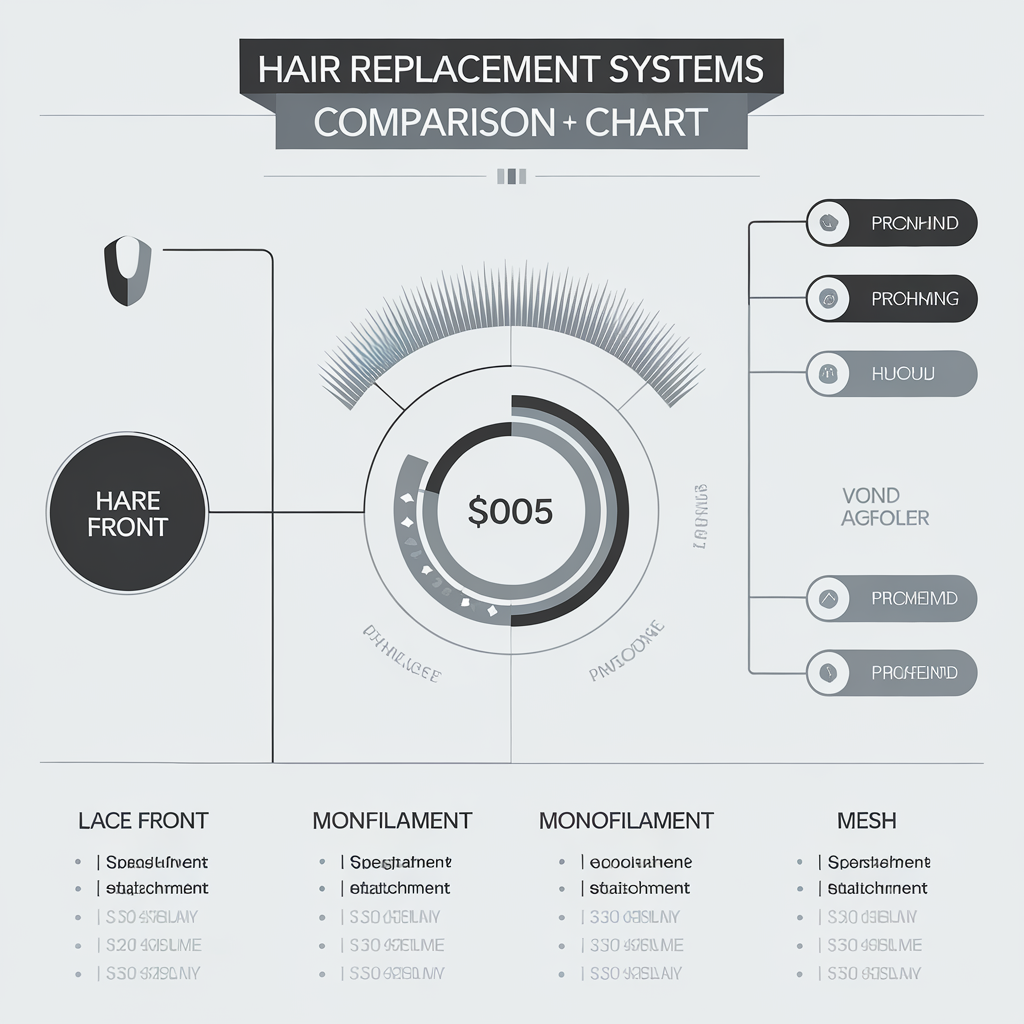
Modern hair systems typically last 3-6 months with daily wear before needing replacement, as the base material degrades and hair thins from normal wear. Most wearers rotate between 2-3 systems to extend the life of each unit. Monthly costs including system replacement, adhesives, maintenance products, and occasional professional servicing typically run $200-$500.
🔬 Clinical Studies
Cash - Psychological Impact of Hair Loss and Hair Restoration
2001Patients using hair replacement systems showed significant improvements in self-esteem, social confidence, and overall quality of life. 87% reported feeling more attractive and 79% reported improved professional confidence.
Alfonso et al. - Satisfaction with Non-Surgical Hair Restoration
2005Patient satisfaction with modern hair systems averaged 7.8/10, with highest ratings for immediate coverage and natural appearance. Main dissatisfaction factors were ongoing maintenance requirements and cost.
Hunt & McHale - Quality of Life with Hair Replacement Systems
2004Standardized quality-of-life measures showed significant improvement across psychological, social, and occupational domains after adopting modern hair systems. Anxiety and depression scores improved notably.
✓ Who Is It For
Hair systems are ideal for anyone wanting immediate, complete hair coverage regardless of the extent of hair loss. They're particularly suited for men and women with advanced baldness (Norwood V-VII) where medical treatments offer limited benefit, those who are not candidates for surgical transplant (insufficient donor hair, health contraindications), people who want a non-surgical and non-pharmaceutical approach, and those who cannot wait 6-12 months for medical treatments to work. Hair systems are also excellent for temporary use while evaluating other options.
✗ Who Should Avoid
People with very active lifestyles involving heavy sweating, swimming, or contact sports may find hair systems impractical (though modern systems can handle moderate activity). Those with scalp conditions like psoriasis or severe eczema may have adhesion issues and skin irritation. Patients who strongly prefer a 'set it and forget it' solution may find the maintenance requirements burdensome. Those with limited manual dexterity may struggle with daily application and removal. Budget-conscious individuals should understand the significant ongoing costs ($3,000-$10,000+ annually).
💰 Cost Breakdown
✓ Advantages
- • Immediate full coverage
- • No surgical recovery
- • Reversible; can remove anytime
- • Variety of styles and colors
- • No side effects
- • Can be worn during medical treatments
✗ Disadvantages
- • High ongoing maintenance costs
- • Must be removed nightly (adhesive systems)
- • Visible hairline seam if not high quality
- • Cannot swim or shower with some systems
- • Requires consistent care
- • Less natural than hair transplant
⚖ How It Compares
Hair systems provide the most immediate and complete coverage of any non-surgical option — no other treatment can take someone from Norwood VII to a full head of hair in minutes. Compared to SMP, hair systems provide actual volume and style options but require daily maintenance. Compared to hair transplants, systems are reversible and require no surgery, but the ongoing cost over decades often exceeds transplant costs. Compared to medications, systems provide instant visual transformation but don't address the underlying condition. Many patients use hair systems while simultaneously pursuing medical treatments or saving for a transplant.
💡 Expert Tips from Dermatologists
Start with a professional fitting from a reputable hair system specialist — the difference between a DIY first system and a professionally fitted one is dramatic.
Order at least 2 systems from the start so you can rotate them, extending the life of each unit and always having a backup.
Invest in learning proper application and removal techniques — most 'bad toupee' situations are the result of poor maintenance, not poor systems.
Use waterproof adhesive if you lead an active lifestyle or live in a humid climate — it provides significantly more security than regular adhesive.
Consider a lace-front, poly-back hybrid base for the best balance of natural hairline and secure attachment.
Join online communities (YouTube, Reddit r/HairSystem) to learn from experienced wearers — the hair system community is very open about sharing tips and techniques.